In today’s rapidly evolving digital economy, businesses are increasingly dependent on technology to support operations, manage data, improve customer experiences, and remain competitive in the global marketplace. As digital transformation accelerates across industries, organizations must continuously adapt to new innovations that are redefining how enterprise technology environments operate. Understanding the latest enterprise IT trends is essential for businesses seeking to modernize their infrastructure, enhance efficiency, and prepare for future challenges.
Enterprise IT no longer focuses solely on maintaining servers and networks. It now encompasses cloud computing, cybersecurity, artificial intelligence, data analytics, and automation technologies that work together to drive business innovation. Companies that successfully embrace these trends can improve agility, optimize operations, and create new opportunities for growth. Technology partners such as SYNEXRA TECHNOLOGY SOLUTIONS CO., LTD. recognize that staying informed about emerging enterprise IT trends is crucial for organizations aiming to build resilient and scalable digital ecosystems. This article explores the key technology trends that are shaping the future of enterprise IT.
The Evolution of Enterprise IT
From Traditional Infrastructure to Digital Ecosystems
In the past, enterprise IT primarily revolved around maintaining on-premise hardware, internal networks, and business software systems. IT departments focused on ensuring system uptime and providing technical support.
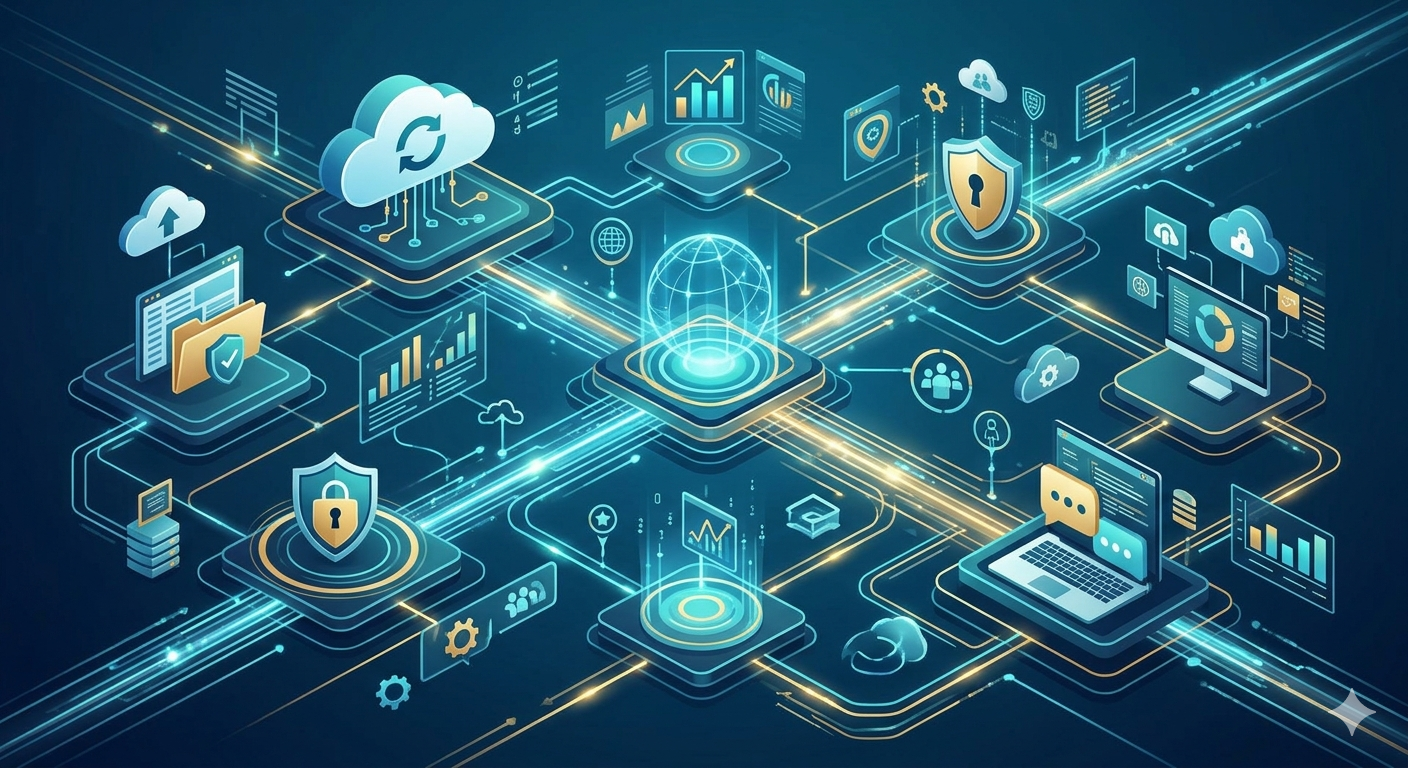
Today, enterprise IT has evolved into a complex digital ecosystem that integrates cloud platforms, data analytics systems, security frameworks, and collaboration tools.
This transformation has shifted the role of IT from a support function to a strategic driver of business innovation.
The Role of Technology in Modern Enterprises
Modern organizations rely on technology for nearly every aspect of their operations, including:
- Managing customer relationships
- Automating internal workflows
- Supporting remote collaboration
- Analyzing business data
- Delivering digital products and services
As technology becomes more central to business success, staying ahead of enterprise IT trends is critical for long-term competitiveness.
Cloud Computing and Hybrid Infrastructure
The Rise of Cloud-First Strategies
Cloud computing continues to be one of the most influential enterprise IT trends and is a core part of modern cloud infrastructure strategies for enterprise businesses. Many organizations are adopting cloud-first strategies that prioritize cloud-based solutions over traditional on-premise infrastructure.
Cloud platforms offer several advantages:
- Scalability for growing workloads
- Reduced infrastructure costs
- Faster deployment of applications
- Improved collaboration through cloud-based tools
These benefits make cloud computing a foundational technology for modern enterprises.
Hybrid and Multi-Cloud Environments
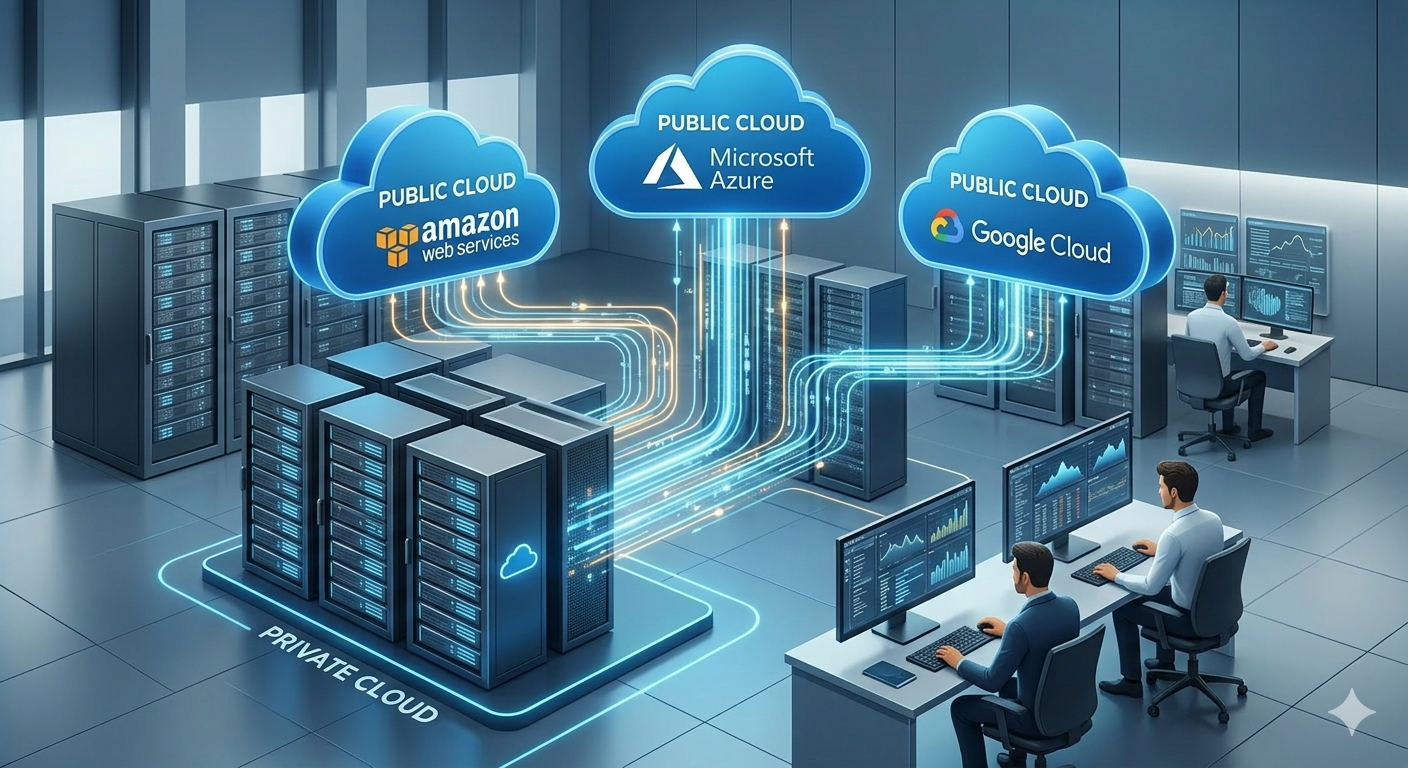
While many organizations move toward cloud adoption, few rely solely on a single cloud platform. Instead, businesses increasingly implement hybrid and multi-cloud environments.
Hybrid infrastructure combines on-premise systems with cloud platforms, while multi-cloud strategies involve using multiple cloud service providers.
These approaches provide flexibility and allow organizations to optimize workloads across different environments.
Artificial Intelligence and Automation
AI-Powered Business Operations
Artificial intelligence (AI) is transforming enterprise IT by enabling machines to perform complex tasks that traditionally required human intervention.
AI technologies are being used in areas such as:
- Customer service chatbots
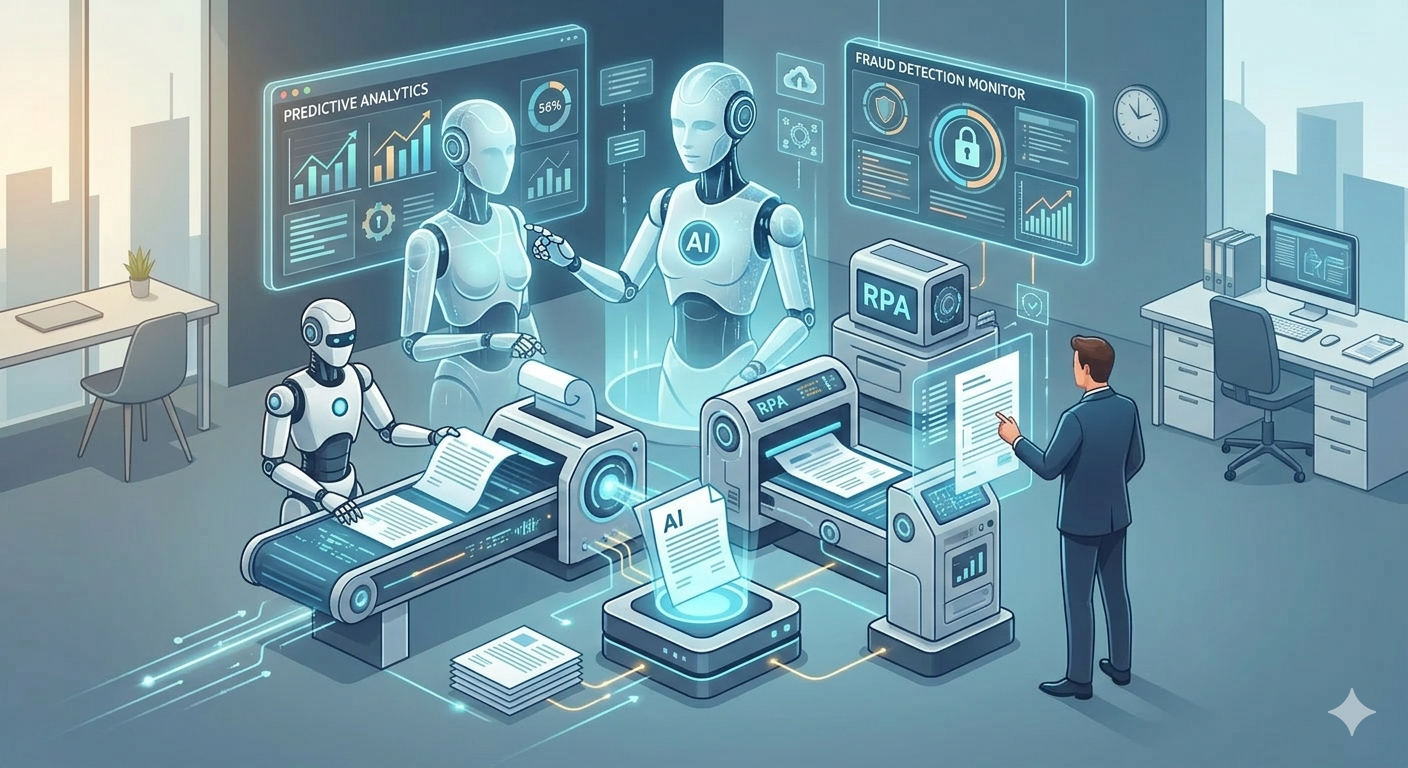
- Predictive analytics
- Fraud detection systems
- Automated data analysis
These capabilities help organizations improve efficiency and make more informed decisions.
Intelligent Process Automation
Automation technologies are also playing an important role in modern enterprise IT systems.
Robotic process automation (RPA) allows businesses to automate repetitive tasks such as data entry, invoice processing, and report generation.
By reducing manual workloads, automation improves productivity and allows employees to focus on strategic activities.
Advanced Cybersecurity Strategies
The Growing Importance of Cybersecurity
As organizations adopt digital technologies, they also face increasing cybersecurity risks, which is why many enterprises invest in database security solutions for modern businesses.Cyber threats such as ransomware, phishing attacks, and data breaches have become more sophisticated.
One of the most critical enterprise IT trends is the development of advanced cybersecurity frameworks that protect digital assets.
Organizations are investing in:
- Threat detection systems
- Security monitoring platforms
- Data encryption technologies
- Identity and access management systems
Strong cybersecurity strategies are essential for protecting sensitive business information.
Zero Trust Security Models
Traditional security models assumed that users inside a network could be trusted. However, modern security strategies now adopt a Zero Trust approach.
Zero Trust security requires continuous verification of users and devices before granting access to systems.
This model significantly reduces the risk of unauthorized access and improves overall system security.
Data Analytics and Business Intelligence
The Growing Value of Data
Data has become one of the most valuable assets for modern enterprises. Organizations collect vast amounts of information from customers, operations, and digital platforms.
However, the true value of data lies in the ability to analyze and interpret it effectively.
Data analytics platforms enable businesses to transform raw data into actionable insights.
Real-Time Decision Making
Advanced analytics tools allow organizations to analyze data in real time.
Real-time insights enable businesses to:
- Monitor operational performance
- Identify emerging market trends
- Improve customer engagement
- Optimize supply chain management
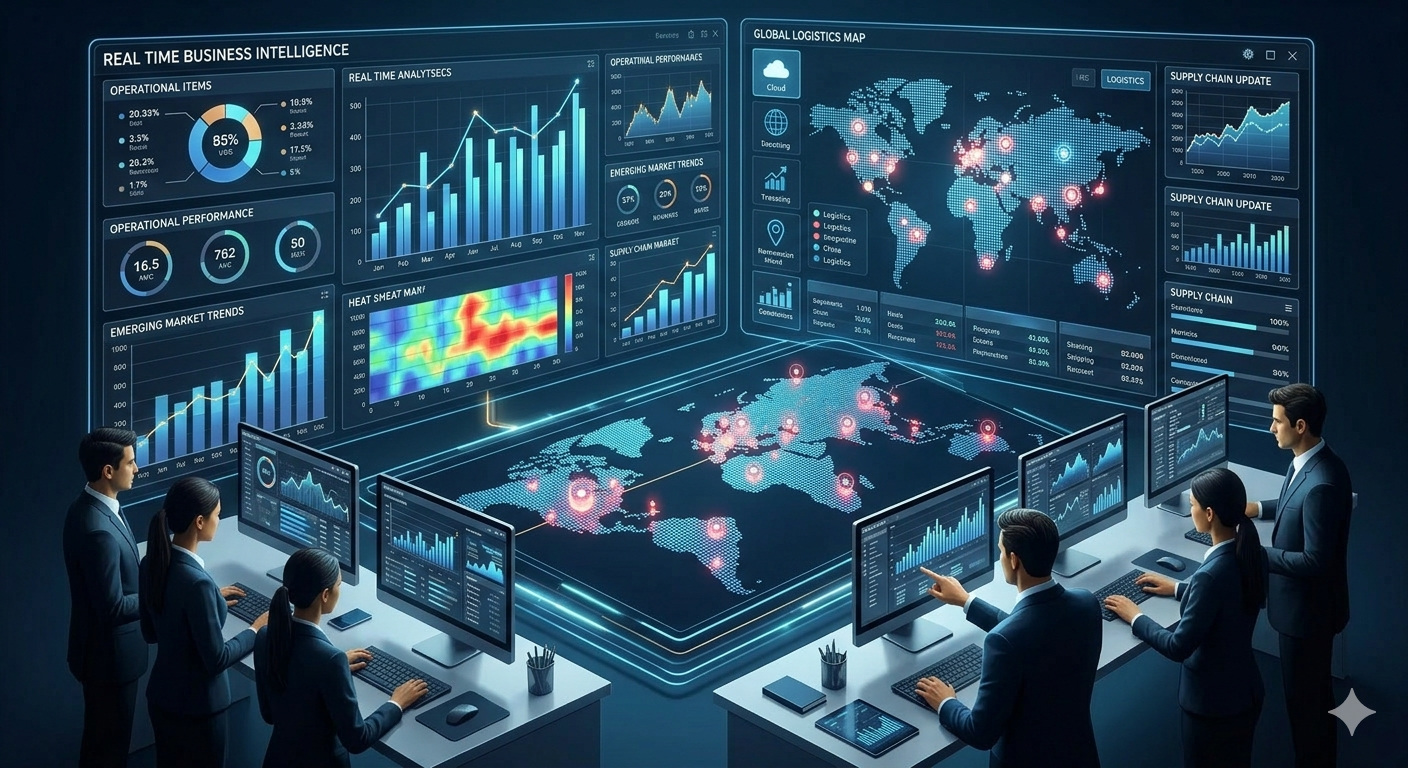
Data-driven decision-making is becoming a cornerstone of successful enterprise IT strategies.
The Expansion of Edge Computing
What Is Edge Computing?
Edge computing is an emerging technology that processes data closer to its source rather than relying solely on centralized cloud data centers.
Devices such as sensors, industrial machines, and IoT systems generate large volumes of data that can be processed locally.
This approach reduces latency and improves system performance.
Benefits for Enterprise Applications
Edge computing offers several advantages for enterprise environments:
- Faster data processing speeds
- Reduced network congestion
- Improved reliability for real-time applications
Industries such as manufacturing, healthcare, and logistics are increasingly adopting edge computing solutions.
Internet of Things (IoT) Integration
Connecting Devices and Systems
The Internet of Things (IoT) refers to networks of connected devices that collect and share data through digital networks.
IoT technologies are transforming enterprise IT by enabling real-time monitoring and automation.
Examples of IoT applications include:
- Smart manufacturing equipment
- Connected logistics tracking systems
- Environmental monitoring sensors
- Smart office environments
These technologies improve operational visibility and efficiency.
Enhancing Operational Efficiency
IoT devices generate valuable data that can be analyzed to improve operational processes.
Businesses can use IoT insights to optimize equipment performance, reduce downtime, and enhance resource management.
Remote Work and Digital Collaboration Tools
The Rise of Hybrid Work Environments
The global shift toward remote and hybrid work models has significantly influenced enterprise IT strategies.
Organizations must provide secure access to systems and collaboration tools for employees working from different locations.
Cloud-based collaboration platforms and secure remote access technologies are essential for supporting modern workplaces.
Collaboration and Productivity Platforms
Enterprise IT environments increasingly rely on digital collaboration tools that enable teams to communicate and share information efficiently.
These platforms support:
- Video conferencing
- Project management
- Document collaboration
- Real-time communication
Effective collaboration tools improve productivity and employee engagement.
Sustainable and Green IT Initiatives
Reducing Environmental Impact
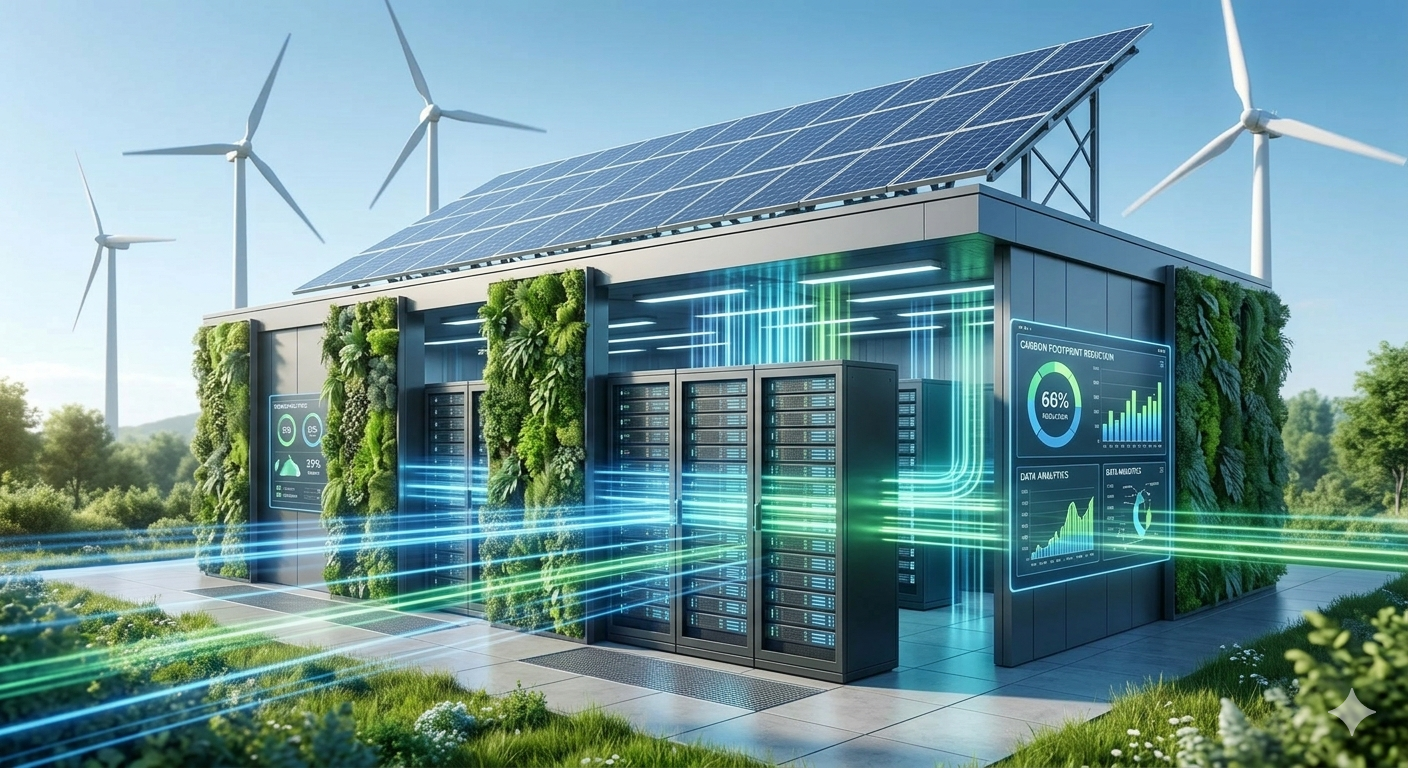
As businesses become more aware of environmental challenges, sustainability has become an important focus for enterprise IT.
Organizations are adopting green IT initiatives to reduce energy consumption and minimize environmental impact.
Examples include:
- Energy-efficient data centers
- Cloud infrastructure optimization
- Sustainable hardware procurement
These practices help businesses operate responsibly while reducing operational costs.
The Role of Technology in Sustainability
Technology also enables organizations to track and reduce their environmental footprint through data analytics and monitoring systems.
Sustainable IT practices contribute to long-term corporate responsibility goals.
Preparing for the Future of Enterprise IT
Building Agile IT Infrastructure
Future enterprise IT environments must be agile enough to adapt to rapid technological changes.
Organizations should design infrastructure that supports flexibility, scalability, and innovation.
Cloud-native architectures and modular systems allow businesses to implement new technologies quickly.
Investing in Skilled IT Professionals
While technology continues to evolve, skilled professionals remain essential for managing complex IT environments.
Businesses must invest in training and talent development to ensure that their IT teams can effectively manage emerging technologies.
Conclusion
Technology is evolving at an unprecedented pace, and organizations must continuously adapt to remain competitive in the digital economy. The latest enterprise IT trends—including cloud computing, artificial intelligence, advanced cybersecurity frameworks, and data analytics—are reshaping how businesses operate and innovate.
By embracing these technologies, enterprises can build more efficient, secure, and scalable IT environments that support long-term growth. However, navigating these complex trends requires careful planning and strategic technology management.
Forward-thinking technology partners such as SYNEXRA TECHNOLOGY SOLUTIONS CO., LTD. play a crucial role in helping businesses understand and adopt emerging enterprise IT trends. With the right strategies and technology investments, organizations can prepare for the future of enterprise IT and unlock new opportunities for innovation and success in an increasingly digital world.