In the modern digital economy, information technology plays a critical role in nearly every aspect of business operations. From managing internal systems and protecting sensitive data to supporting communication and customer services, IT infrastructure has become a fundamental component of organizational success. However, maintaining and managing complex IT environments can be challenging, especially for companies that lack sufficient resources or specialized expertise. This is why many organizations turn to IT outsourcing as a strategic solution.
Outsourcing IT management allows businesses to partner with external service providers who specialize in maintaining and optimizing technology systems through managed IT services for modern businesses. By delegating IT responsibilities to experts, companies can focus more on their core business activities while ensuring their technology infrastructure remains secure and efficient. Leading technology providers such as SYNEXRA TECHNOLOGY SOLUTIONS CO., LTD. recognize that IT outsourcing can provide organizations with the flexibility and expertise needed to navigate the rapidly evolving digital landscape. In this article, we explore when businesses should consider outsourcing IT management and the key benefits this approach offers.
Understanding IT Outsourcing
What Is IT Outsourcing?
IT outsourcing refers to the practice of hiring external service providers to handle certain IT functions that would otherwise be managed internally. These providers may manage a wide range of IT services, including infrastructure maintenance, cybersecurity, network management, software development, and technical support.
Instead of relying solely on in-house IT teams, organizations collaborate with outsourcing partners to access specialized knowledge and advanced technologies.
Common outsourced IT services include:
- Network management
- Cloud infrastructure management
- Cybersecurity monitoring
- Data backup and disaster recovery
- Software development and maintenance
- Helpdesk and technical support
Outsourcing can involve either partial support for specific tasks or full management of a company’s IT environment.
Types of IT Outsourcing
Organizations can adopt different IT outsourcing models depending on their needs and operational goals.
Onshore Outsourcing
Onshore outsourcing involves working with service providers located in the same country as the client organization. This option offers easier communication and regulatory alignment.
Nearshore Outsourcing
Nearshore outsourcing refers to partnering with providers located in neighboring countries or nearby regions. This model often provides cost advantages while maintaining similar time zones.
Offshore Outsourcing
Offshore outsourcing involves hiring service providers located in distant countries, often where labor costs are lower. While this model can offer significant cost savings, it may require careful coordination to address time zone differences.
Signs That a Company Should Consider IT Outsourcing
Increasing IT Complexity
Modern businesses rely on complex IT infrastructures that include cloud platforms, data analytics systems, cybersecurity tools, and integrated business applications.
As systems grow more sophisticated, managing them internally may become difficult. Organizations that struggle to maintain or upgrade their technology infrastructure may benefit from outsourcing IT management to specialists.
Limited Internal IT Resources
Small and medium-sized businesses often have limited IT staff. A small internal team may not have the capacity to manage large-scale systems, respond to cybersecurity threats, or maintain network performance.
Outsourcing provides access to a larger pool of experts without requiring companies to hire and train additional employees.
Rising IT Costs
Maintaining in-house IT operations can be expensive. Companies must invest in hardware, software licenses, employee training, and ongoing system maintenance.
IT outsourcing helps organizations control costs by offering predictable service pricing. Businesses can avoid large upfront infrastructure investments while still accessing high-quality IT services.

Frequent System Downtime
If an organization experiences frequent system outages or slow network performance, it may indicate that current IT management practices are insufficient.
Professional IT outsourcing providers implement proactive monitoring and maintenance strategies that identify potential issues before they disrupt operations.
This proactive approach significantly improves system reliability and reduces downtime.
Growing Cybersecurity Concerns
Cybersecurity threats are becoming more sophisticated and frequent. Many businesses lack the resources to implement advanced security systems or maintain 24/7 threat monitoring.
Outsourcing IT management allows organizations to benefit from professional cybersecurity solutions, including:
- Threat detection and monitoring
- Security incident response
- Vulnerability assessments
- Security compliance management
These services help businesses protect sensitive data and maintain strong cybersecurity defenses.
Key Benefits of IT Outsourcing
Access to Specialized Expertise
Technology evolves rapidly, and keeping up with new innovations requires specialized knowledge. IT outsourcing providers employ professionals with expertise in multiple technology areas, including cloud computing, cybersecurity, networking, and data management.
This expertise allows businesses to leverage advanced solutions without investing heavily in internal training.

Improved Operational Efficiency
By outsourcing IT management, companies can focus on strategic business activities instead of dealing with technical issues.
External IT teams handle tasks such as system monitoring, software updates, and infrastructure maintenance, allowing internal teams to concentrate on innovation and growth.
Scalability and Flexibility
Business needs often change over time. Companies may require additional IT resources when expanding operations or launching new services.
IT outsourcing provides scalable solutions that can adapt to changing business requirements. Organizations can quickly increase or reduce service levels without major infrastructure changes.
Enhanced Cybersecurity
Professional IT service providers implement advanced cybersecurity frameworks designed to protect against modern cyber threats.
Security services may include:
- Firewall management
- Security monitoring
- Data encryption
- Intrusion detection systems
- Compliance support
These security measures help organizations maintain robust protection for their digital assets.
Common IT Functions Businesses Outsource
Network Management
Network management is one of the most frequently outsourced IT services. Reliable network performance is essential for communication, data transfer, and application access.
Outsourcing network management ensures continuous monitoring, troubleshooting, and optimization of network infrastructure.
Cloud Infrastructure Management
Many companies now rely on cloud platforms to host applications and store data. Managing cloud environments requires expertise in configuration, security, and resource optimization, especially when building modern cloud infrastructure for businesses.
IT outsourcing providers help organizations deploy and manage cloud services effectively.
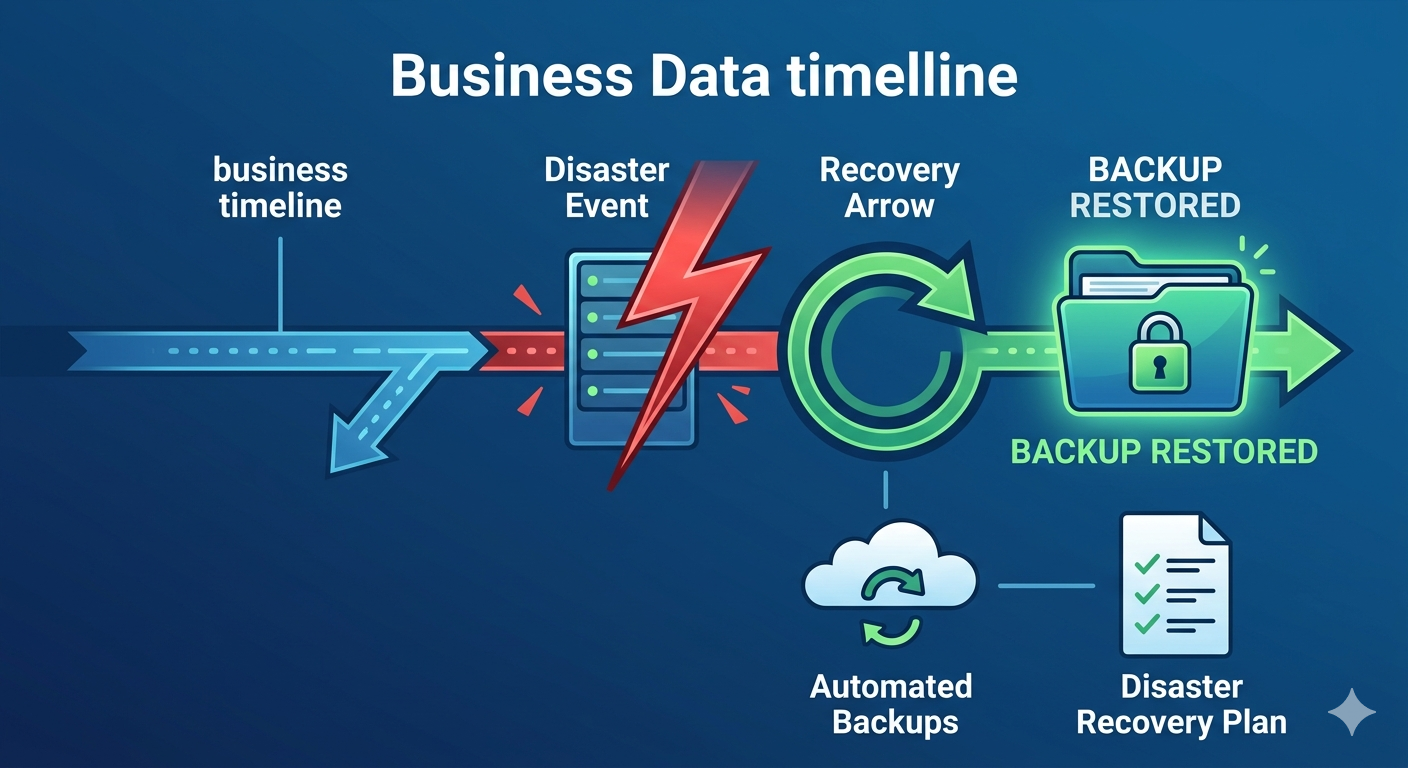
Data Backup and Disaster Recovery
Data loss can result from cyberattacks, system failures, or human error. Outsourced IT providers implement backup and disaster recovery solutions to protect critical business data.
These systems ensure that organizations can restore data quickly after unexpected incidents.
Helpdesk and Technical Support
Technical issues can disrupt employee productivity if not resolved quickly. IT outsourcing providers often offer helpdesk support services that assist employees with software problems, hardware troubleshooting, and system access issues.
Fast technical support improves workplace efficiency.

Challenges of IT Outsourcing
While IT outsourcing offers many benefits, businesses should also consider potential challenges.
Communication Barriers
Working with external service providers may require careful coordination to ensure clear communication and alignment with business objectives.
Organizations should establish clear service level agreements and communication protocols.
Data Security Concerns
When outsourcing IT management, companies must ensure that service providers follow strict security standards to protect sensitive data.
Choosing reputable providers with strong security practices is essential.
Dependence on External Providers
Outsourcing critical IT functions may increase reliance on external partners. Businesses should carefully evaluate service providers to ensure reliability and long-term support.
Best Practices for Successful IT Outsourcing
Define Clear Objectives
Before outsourcing IT management, organizations should define their goals and expectations.
Key objectives may include:
- Reducing operational costs
- Improving cybersecurity
- Enhancing system performance
- Supporting business scalability
Clear goals help ensure that outsourcing strategies align with business priorities.
Choose the Right IT Partner
Selecting the right outsourcing partner is crucial. Businesses should evaluate providers based on:
- Technical expertise
- Industry experience
- Security capabilities
- Customer support quality
- Service level agreements
Reliable providers can deliver consistent and high-quality IT services.
Maintain Strong Collaboration
Successful outsourcing relationships require collaboration between internal teams and external providers.
Regular communication, performance reviews, and feedback help ensure that services continue to meet business needs.
The Future of IT Outsourcing
As digital transformation continues to accelerate, IT outsourcing will become even more important for organizations seeking to stay competitive.
Emerging trends in IT outsourcing include:
- Cloud-native infrastructure management
- AI-powered IT monitoring
- Automated cybersecurity systems
- Remote workforce support solutions
- Managed DevOps services
These innovations will enable businesses to operate more efficiently while maintaining secure and scalable IT environments.
Conclusion
Managing modern IT infrastructure can be complex, costly, and resource-intensive. For many organizations, IT outsourcing offers a practical solution for maintaining reliable, secure, and scalable technology systems.
By outsourcing IT management to experienced service providers, businesses gain access to specialized expertise, advanced cybersecurity solutions, and proactive system monitoring. This approach allows organizations to reduce operational costs, improve system performance, and focus on their core business objectives.

Technology partners such as SYNEXRA TECHNOLOGY SOLUTIONS CO., LTD. understand the importance of providing professional IT outsourcing solutions that support business growth and digital transformation. With the right outsourcing strategy, companies can strengthen their IT operations and successfully navigate the challenges of an increasingly technology-driven world.