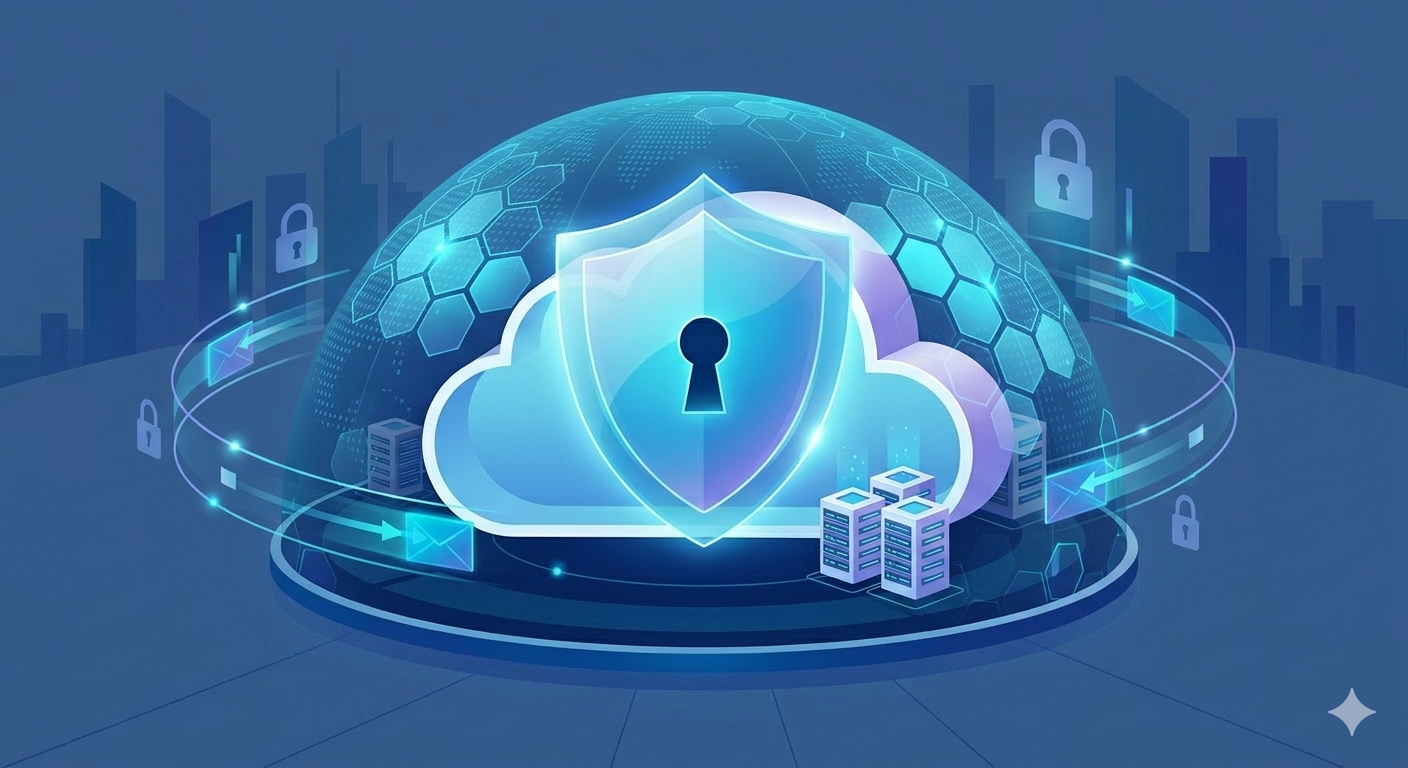
In today’s technology-driven business environment, companies rely heavily on IT systems to support daily operations, maintain communication, store data, and deliver digital services. As technology infrastructures become more complex, managing IT resources internally can be challenging, especially for organizations that lack large in-house IT teams. This is where managed IT services play a crucial role in helping businesses maintain efficient, secure, and scalable technology systems.
Managed IT services allow organizations to outsource the management and maintenance of their IT infrastructure to specialized service providers. These providers handle tasks such as system monitoring, cybersecurity, cloud management, and technical support, enabling businesses to focus on their core activities. Forward-thinking technology companies like SYNEXRA TECHNOLOGY SOLUTIONS CO., LTD. understand that managed IT services provide organizations with the expertise and resources needed to operate modern digital infrastructures effectively. This article explores what managed IT services are, how they work, and why businesses increasingly rely on them.
Understanding Managed IT Services
What Are Managed IT Services?
Managed IT services refer to the practice of outsourcing IT management and support to a third-party provider known as a Managed Service Provider (MSP). Instead of maintaining an internal team responsible for every aspect of IT operations, businesses partner with specialized providers that handle various technical tasks.
These services typically include:
- IT infrastructure management
- Network monitoring and maintenance
- Data backup and disaster recovery
- Cybersecurity protection
- Cloud service management
- Technical support and helpdesk services
The MSP monitors and manages the organization’s IT systems remotely, ensuring that systems remain secure, optimized, and operational.

How Managed IT Services Work
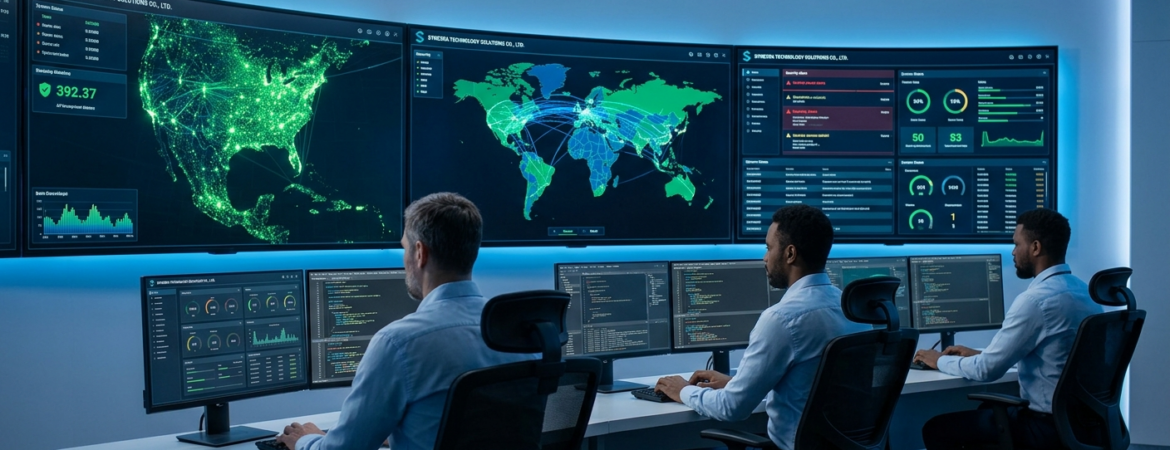
Managed IT service providers operate through proactive monitoring and maintenance of a company’s IT environment. Instead of waiting for problems to occur, MSPs use monitoring tools and automation systems to identify and resolve issues before they impact business operations.
The process usually involves:
- Assessing the company’s IT infrastructure
- Designing customized service plans
- Deploying monitoring and management tools
- Providing continuous system maintenance and support
- Offering regular performance reports and security updates
This proactive approach helps prevent system failures and improves overall IT efficiency.
Why Businesses Use Managed IT Services
Reducing Operational Costs
One of the primary reasons businesses adopt managed IT services is cost efficiency. Maintaining an internal IT department can be expensive due to salaries, training costs, and infrastructure investments.
Managed service providers offer predictable pricing models, allowing companies to pay a fixed monthly fee for IT support. This approach helps businesses control their IT budgets while still accessing professional expertise.
Access to Specialized Expertise
Technology evolves rapidly, and keeping up with the latest developments requires specialized knowledge. Managed IT service providers employ experienced professionals who are trained in various technologies, cybersecurity practices, and infrastructure management.
Businesses benefit from this expertise without needing to recruit or train large internal IT teams.

Improved System Reliability
System downtime can significantly disrupt business operations. Managed IT services provide continuous monitoring of IT systems to detect potential issues before they cause major problems.
This proactive maintenance helps ensure:
- Higher system availability
- Faster problem resolution
- Reduced operational disruptions
Reliable IT systems enable businesses to maintain productivity and deliver consistent services to customers.
Enhanced Cybersecurity
Cybersecurity threats continue to grow in both frequency and complexity. Many businesses struggle to keep up with evolving security risks such as ransomware, phishing attacks, and data breaches.
Managed IT service providers implement advanced security measures including:
- Firewall management
- Threat detection systems
- Security patch management
- Network monitoring
- Incident response strategies
These security solutions help organizations protect sensitive data and reduce their exposure to cyber threats.

Key Components of Managed IT Services
Network Monitoring and Management
Network infrastructure is the backbone of most modern organizations. Managed IT services include continuous monitoring of networks to ensure optimal performance and security.
Network management services often involve:
- Monitoring network traffic
- Detecting unusual activity
- Maintaining network hardware
- Optimizing network performance
These services help prevent connectivity issues and ensure reliable communication systems.
Data Backup and Disaster Recovery
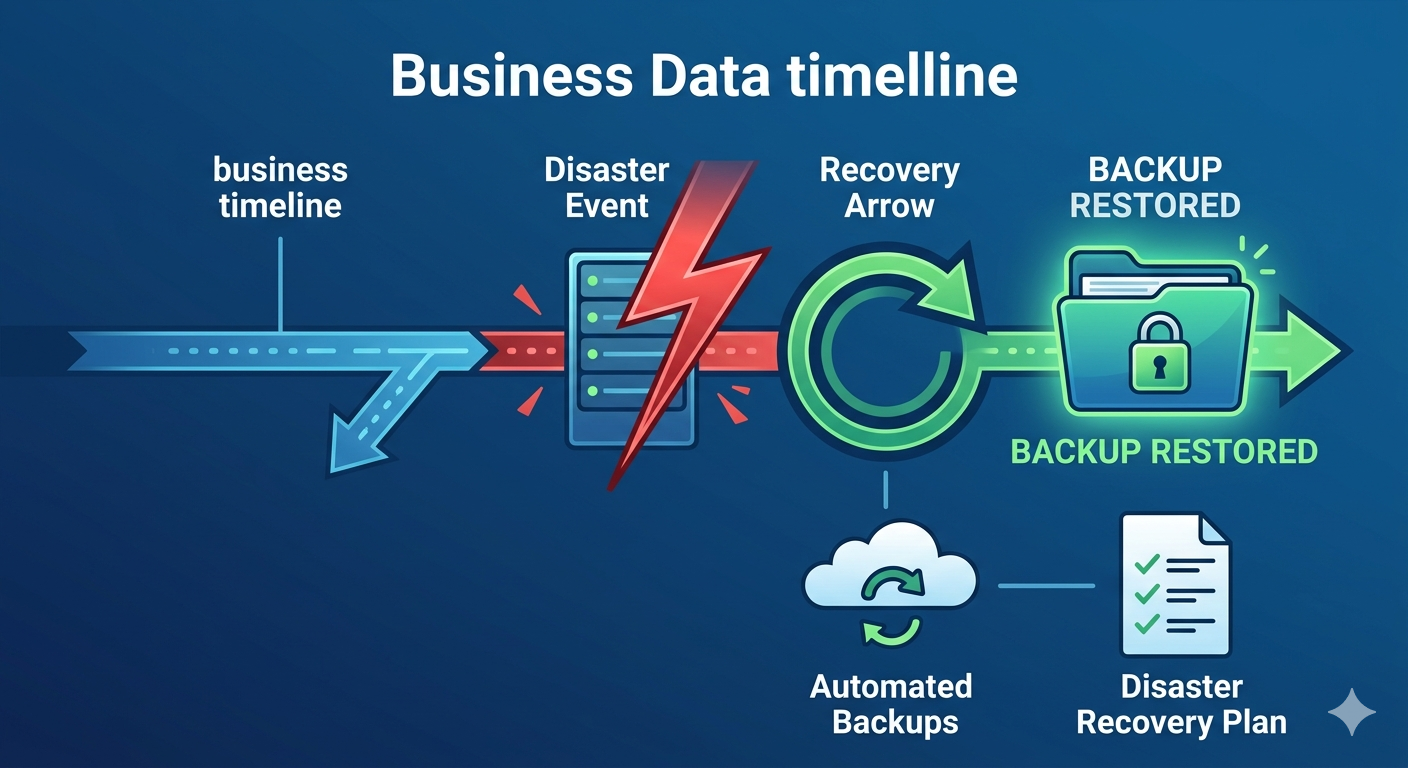
Data loss can occur due to cyberattacks, hardware failures, or accidental deletion, which is why organizations should implement a disaster recovery plan for business continuity. Managed IT service providers implement backup and disaster recovery solutions to protect business data.
These solutions typically include:
- Automated data backups
- Offsite or cloud-based storage
- Disaster recovery planning
- System restoration procedures
By implementing these systems, businesses can quickly recover from unexpected incidents.
Cloud Services Management
Many organizations now rely on cloud platforms to host applications and store data, supported by modern cloud infrastructure for businesses. Managed IT services often include cloud infrastructure management to ensure secure and efficient cloud operations.
Cloud management services may involve:
- Cloud deployment and configuration
- Resource optimization
- Security monitoring
- Performance management
These services help businesses maximize the benefits of cloud computing while maintaining strong security controls.
IT Helpdesk Support
Employees frequently encounter technical issues that require prompt resolution. Managed IT services provide helpdesk support to assist staff with hardware and software problems.
Helpdesk services typically include:
- Troubleshooting technical issues
- Software installation and updates
- Remote technical assistance
- User account management
Fast and reliable support helps employees maintain productivity.
Benefits of Managed IT Services for Businesses
Increased Business Efficiency
Outsourcing IT management allows businesses to focus on their core operations instead of dealing with technical issues.
With managed IT services handling system maintenance and troubleshooting, employees can concentrate on tasks that directly contribute to business growth.
Scalability and Flexibility
As companies grow, their IT requirements change. Managed IT service providers offer scalable solutions that can adapt to evolving business needs.
Organizations can easily expand their IT resources without making large investments in hardware or infrastructure.
Predictable IT Expenses
Traditional IT management often involves unexpected costs related to system repairs, emergency troubleshooting, or equipment upgrades.
Managed IT services provide predictable pricing structures that allow businesses to plan their budgets more effectively.
Improved Compliance
Many industries must comply with strict data protection and cybersecurity regulations. Managed service providers help businesses implement security policies and monitoring systems that support regulatory compliance.
This reduces the risk of legal penalties and compliance violations.
Industries That Benefit from Managed IT Services
Small and Medium-Sized Businesses
Small and medium-sized businesses often lack the resources to maintain full IT departments. Managed IT services provide them with professional IT support at a fraction of the cost.
These services enable smaller companies to compete with larger organizations by leveraging advanced technology.
Healthcare Organizations
Healthcare institutions rely heavily on digital systems for patient records, scheduling, and medical data management.
Managed IT services help healthcare providers maintain secure and reliable IT systems while ensuring compliance with healthcare data regulations.
Financial Services
Financial institutions handle highly sensitive data and require strong cybersecurity measures. Managed IT services help protect financial data through advanced security systems and monitoring tools.
E-Commerce Companies
Online retailers depend on reliable IT infrastructure to manage transactions, customer accounts, and inventory systems.
Managed IT services ensure that e-commerce platforms remain secure, stable, and responsive.
Challenges of Managing IT Internally
While some organizations maintain in-house IT teams, this approach presents several challenges.
Limited Expertise
Internal IT teams may not have specialized knowledge in every technology area. Managed service providers bring diverse expertise across multiple disciplines.
High Infrastructure Costs
Maintaining servers, networks, and security systems requires significant investment. Managed IT services reduce the need for large upfront infrastructure costs.
Difficulty Managing Rapid Technological Changes
Technology evolves quickly, and keeping up with new developments can be difficult for internal teams. Managed IT providers stay updated on industry trends and implement modern solutions.
Choosing the Right Managed IT Service Provider
Selecting the right MSP is essential for maximizing the benefits of managed IT services.
Businesses should evaluate providers based on:
- Technical expertise
- Industry experience
- Security capabilities
- Service level agreements (SLAs)
- Scalability of solutions
- Customer support quality
Partnering with a reliable provider ensures that businesses receive consistent and effective IT support.
Future Trends in Managed IT Services
The managed services industry continues to evolve as new technologies emerge.
Key trends include:
- Artificial intelligence for IT monitoring
- Automated cybersecurity systems
- Cloud-native infrastructure management
- Remote workforce support solutions
- Predictive analytics for system maintenance
These innovations will make managed IT services even more efficient and proactive in the coming years.
Conclusion
As businesses become increasingly dependent on digital technologies, managing IT systems effectively is more important than ever. Managed IT services provide organizations with a reliable way to maintain secure, scalable, and efficient IT infrastructures without the complexity of managing everything internally.

By outsourcing IT operations to experienced service providers, businesses gain access to specialized expertise, enhanced cybersecurity, proactive system monitoring, and predictable IT costs. These advantages allow organizations to focus on innovation and growth while ensuring their technology systems remain reliable and secure.
Technology partners such as SYNEXRA TECHNOLOGY SOLUTIONS CO., LTD. understand the importance of delivering professional managed IT services that support modern business needs. With the right managed services strategy, companies can strengthen their IT operations, improve productivity, and remain competitive in the rapidly evolving digital landscape.