
In today’s fast-paced digital economy, technology plays a central role in shaping how organizations operate, compete, and innovate. Businesses rely on complex IT infrastructures to manage data, streamline processes, enhance customer experiences, and support remote collaboration. However, keeping up with rapid technological advancements can be challenging for many companies. This is where IT consulting becomes a valuable strategic resource.
IT consulting helps organizations evaluate their current technology systems, identify opportunities for improvement, and implement solutions that align with their business goals, often working alongside managed IT services for modern businesses. Rather than simply maintaining IT infrastructure, consultants provide expert guidance on how technology can drive efficiency, reduce costs, and support long-term growth. Leading technology companies such as SYNEXRA TECHNOLOGY SOLUTIONS CO., LTD. understand that effective IT consulting is essential for businesses seeking to remain competitive in the modern digital landscape. This article explores what IT consulting is, the services it includes, and why it matters for modern enterprises.
Understanding IT Consulting
What Is IT Consulting?
IT consulting refers to professional advisory services that help organizations plan, implement, and optimize their technology strategies. IT consultants analyze a company’s existing systems, identify inefficiencies, and recommend improvements that enhance performance, security, and scalability.
Unlike traditional IT support, which focuses primarily on fixing technical problems, IT consulting emphasizes strategic planning and technology alignment with business objectives.

Typical IT consulting services include:
- Technology strategy development
- IT infrastructure assessment
- Cloud computing consulting
- Cybersecurity planning
- Digital transformation guidance
- Software and system implementation
These services help businesses use technology more effectively to achieve their goals.
The Role of IT Consultants
IT consultants work closely with organizational leaders and technical teams to design solutions that support operational efficiency and innovation.
Their responsibilities may include:
- Evaluating existing IT infrastructure
- Identifying technological gaps and risks
- Recommending new technologies or system upgrades
- Assisting with IT project implementation
- Providing ongoing strategic guidance
By offering objective insights and specialized expertise, consultants help businesses make informed technology decisions.
Why IT Consulting Is Important for Modern Enterprises
Keeping Up with Rapid Technological Change
Technology evolves rapidly, with new innovations constantly reshaping the business environment. Artificial intelligence, cloud computing, automation, and data analytics are transforming industries across the globe.
Many organizations struggle to keep pace with these developments.
IT consulting provides businesses with expert knowledge that helps them adopt new technologies effectively and remain competitive.
Aligning Technology with Business Goals
One of the primary objectives of IT consulting is to ensure that technology investments support an organization’s strategic goals.
Without proper planning, companies may invest in technology solutions that do not deliver meaningful business value.
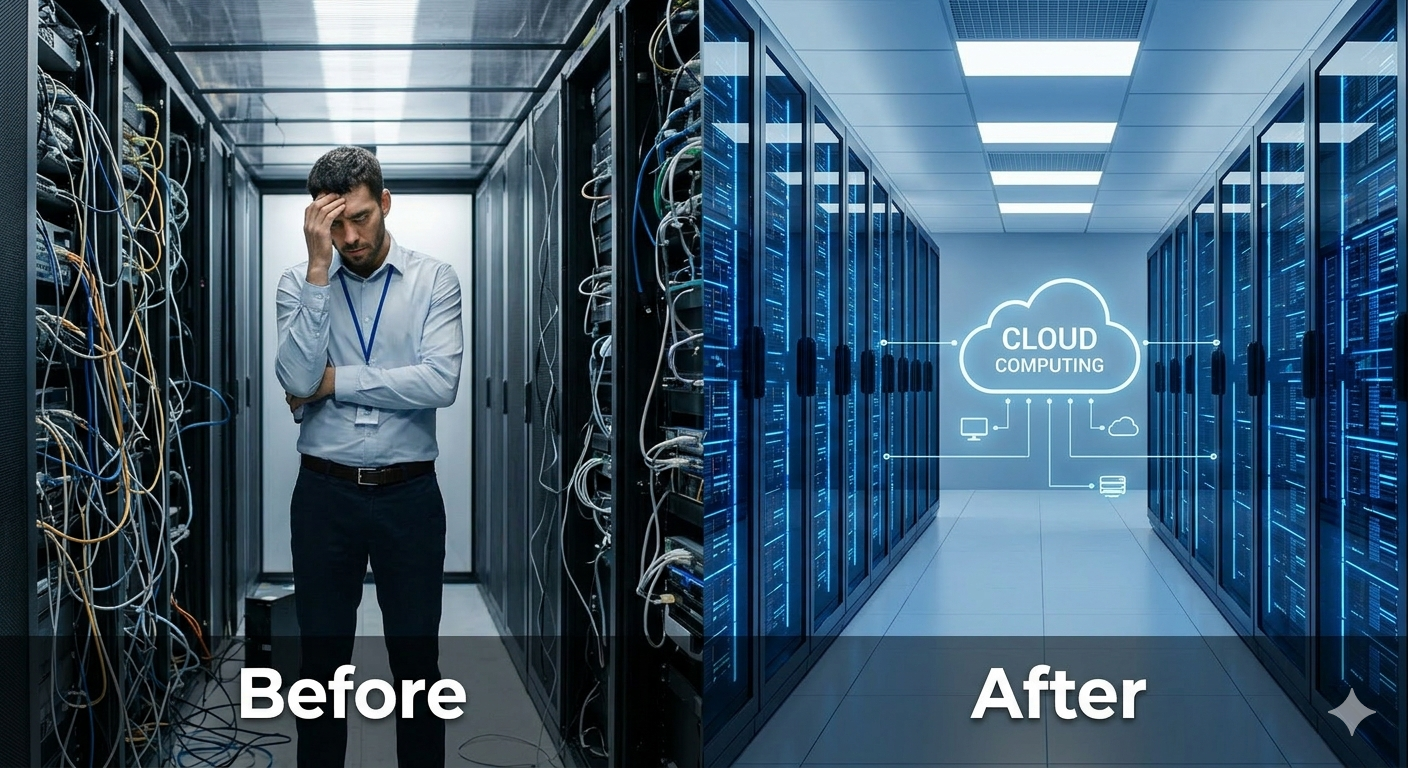
IT consultants evaluate business processes and recommend systems that improve efficiency, productivity, and customer experience.
Reducing Operational Inefficiencies
Outdated or poorly integrated IT systems can create inefficiencies within organizations.
Common problems include:
- Slow system performance
- Duplicate software platforms
- Poor data integration
- Inefficient workflows
IT consultants identify these inefficiencies and implement solutions that streamline operations and improve productivity.
Key Services Offered by IT Consulting Firms
IT Infrastructure Assessment
One of the first steps in any consulting engagement is evaluating the organization’s existing IT infrastructure.
Consultants analyze components such as:
- Servers and storage systems
- Network architecture
- Software platforms
- Security frameworks
- Cloud environments
This assessment helps identify weaknesses and opportunities for improvement.
Cloud Strategy and Implementation
Cloud computing has become a cornerstone of modern business technology. Many organizations migrate their applications and data to cloud platforms to improve flexibility and scalability.
IT consulting firms help businesses:
- Develop cloud migration strategies
- Select appropriate cloud platforms
- Optimize cloud infrastructure
- Ensure cloud security and compliance

Effective cloud strategies can reduce infrastructure costs while improving system performance.
Cybersecurity Consulting
Cyber threats continue to increase in frequency and sophistication, which is why organizations must strengthen database security for modern businesses. Businesses must protect sensitive data from attacks such as ransomware, phishing, and unauthorized access.
IT consulting services often include cybersecurity planning, which may involve:
- Risk assessments
- Security architecture design
- Incident response planning
- Security awareness training
Strong cybersecurity strategies protect organizations from costly data breaches and operational disruptions.
Digital Transformation Consulting
Digital transformation involves integrating advanced technologies into all areas of a business to improve processes and customer experiences.
IT consultants help organizations develop digital transformation strategies that may include:
- Automation of manual processes
- Implementation of data analytics platforms
- Integration of cloud-based applications
- Adoption of artificial intelligence tools

These initiatives enable businesses to operate more efficiently and innovate faster.
Benefits of IT Consulting for Businesses
Access to Specialized Expertise
Technology systems are becoming increasingly complex. IT consultants bring specialized expertise across multiple disciplines, including cloud computing, cybersecurity, networking, and data management.
Businesses benefit from this expertise without needing to hire large internal IT teams.
Objective Technology Evaluation
Internal teams may sometimes overlook inefficiencies or resist change due to familiarity with existing systems.
External consultants provide objective assessments and recommend solutions based on industry best practices.
This unbiased perspective helps organizations make more effective technology decisions.
Cost Optimization
Technology investments can be expensive, and poorly planned IT projects may lead to wasted resources.
IT consulting helps businesses optimize their technology budgets by identifying cost-effective solutions and eliminating unnecessary expenses.
Strategic planning ensures that IT investments deliver measurable value.
Improved Project Implementation
Large IT projects such as system upgrades, cloud migrations, or enterprise software deployments require careful planning and coordination.
IT consultants provide project management expertise that ensures these initiatives are completed on time and within budget.
This reduces implementation risks and improves project outcomes.
Industries That Rely on IT Consulting
Healthcare
Healthcare organizations use IT consulting to manage electronic health records, improve data security, and support telemedicine systems.
Technology consultants help healthcare providers comply with strict regulatory requirements.
Financial Services
Financial institutions rely on IT consulting to implement secure digital banking platforms, improve cybersecurity, and manage large volumes of financial data.
Consultants also assist with regulatory compliance and risk management.
Retail and E-Commerce
Retail businesses use IT consulting to implement digital commerce platforms, optimize supply chain systems, and enhance customer experiences.
Consultants help integrate technologies such as mobile payment systems and data analytics tools.
Manufacturing
Manufacturers use IT consulting to implement smart manufacturing technologies, automate production processes, and integrate supply chain systems.
These solutions improve operational efficiency and reduce production costs.
Challenges Businesses Face Without IT Consulting
Poor Technology Integration
Without expert guidance, businesses may deploy technologies that do not integrate effectively with existing systems.
This can create data silos and operational inefficiencies.
Security Vulnerabilities
Organizations that lack strong cybersecurity strategies may expose themselves to cyber threats and data breaches.
IT consultants help identify vulnerabilities and implement robust security frameworks.
Inefficient IT Spending
Companies without strategic technology planning may invest in systems that do not align with business objectives.
Consulting services ensure that IT investments support long-term growth.
Best Practices for Successful IT Consulting Engagements
Define Clear Objectives
Organizations should clearly define their goals before engaging IT consulting services.
Objectives may include:
- Improving system performance
- Enhancing cybersecurity
- Supporting digital transformation
- Reducing operational costs
Clear goals help consultants deliver targeted solutions.
Collaborate with Internal Teams
Successful consulting projects require collaboration between consultants and internal staff.
Open communication ensures that recommended solutions align with operational requirements.
Monitor Implementation Progress
Technology initiatives should be monitored regularly to ensure they achieve the desired outcomes.
Consultants often provide performance metrics and reporting tools that track project success.
Future Trends in IT Consulting
As technology continues to evolve, the role of IT consulting will become even more important.
Emerging trends shaping the future of IT consulting include:
- Artificial intelligence integration
- Advanced cybersecurity frameworks
- Cloud-native infrastructure strategies
- Data-driven business intelligence
- Automation and intelligent workflows
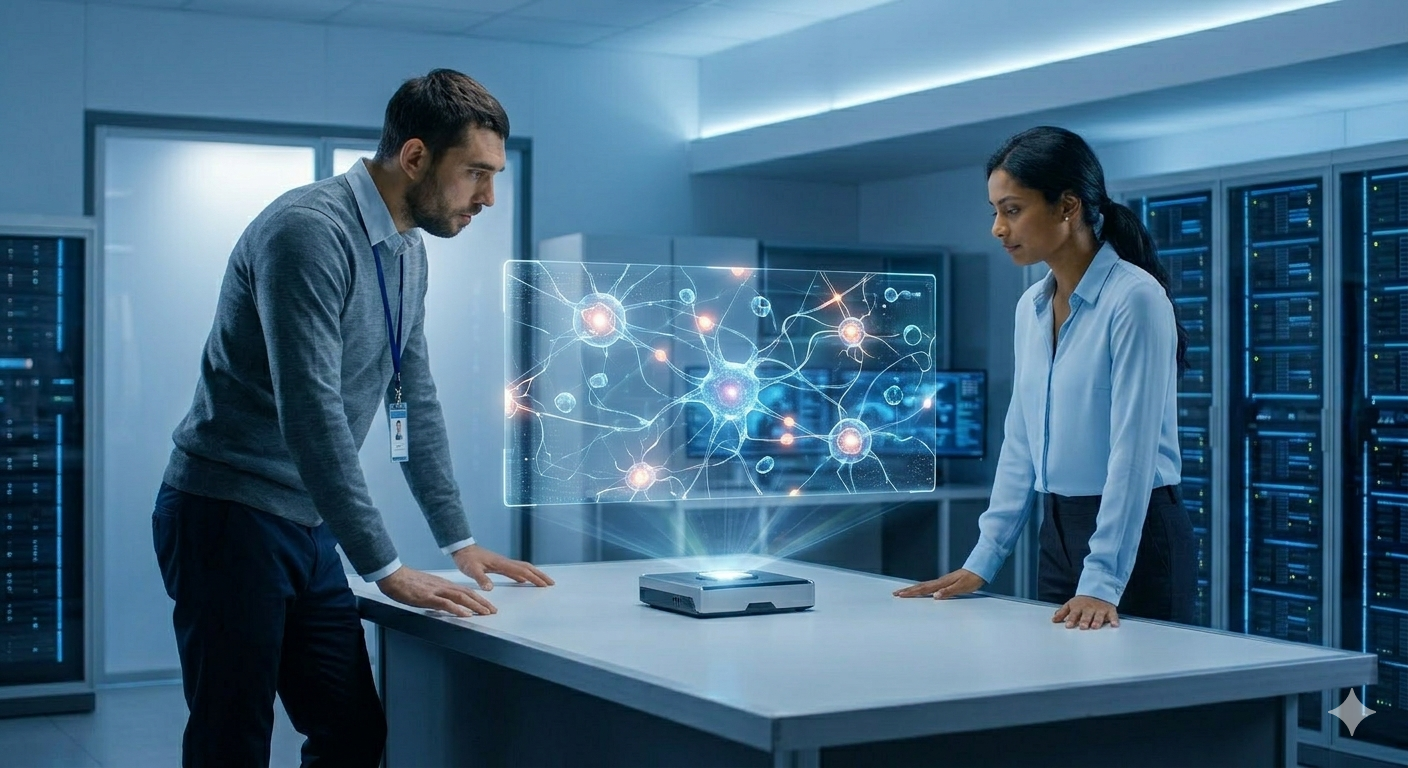
Organizations that adopt these technologies will gain competitive advantages in the digital economy.
Conclusion
Technology has become a cornerstone of modern business success. However, managing complex IT systems and adopting new technologies can be challenging without expert guidance. IT consulting provides organizations with the strategic insights and technical expertise needed to optimize their technology environments and support long-term growth.
By evaluating existing systems, implementing innovative solutions, and aligning technology with business goals, IT consultants help organizations improve efficiency, strengthen security, and maximize the value of their IT investments.
Forward-thinking technology partners such as SYNEXRA TECHNOLOGY SOLUTIONS CO., LTD. recognize that effective IT consulting plays a critical role in helping enterprises navigate digital transformation. With the right consulting strategies in place, businesses can build resilient technology infrastructures and confidently pursue new opportunities in an increasingly digital world.