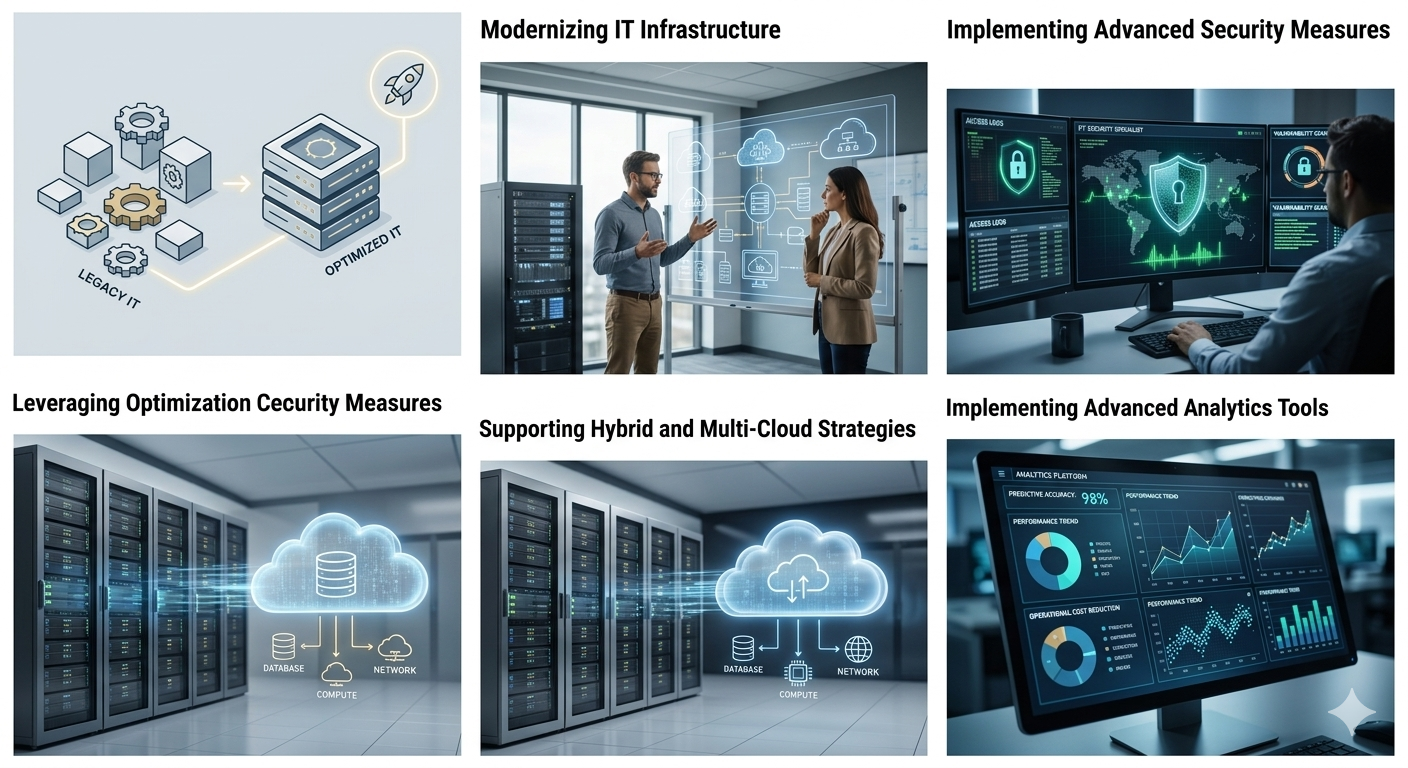
In today’s competitive business environment, technology plays a vital role in supporting operations, improving productivity, and enabling innovation. However, maintaining modern IT infrastructure can be expensive. Businesses must invest in hardware, software, cybersecurity solutions, system maintenance, and skilled IT professionals. For many organizations, especially small and medium-sized companies, managing these costs effectively can be challenging. This is why many companies turn to managed IT services to help reduce IT costs while maintaining high-performance technology systems.
Managed IT services allow businesses to outsource the management and support of their IT infrastructure to specialized service providers through managed IT services for modern businesses. These providers offer proactive monitoring, technical support, and strategic technology planning, enabling organizations to optimize their IT spending. Companies like SYNEXRA TECHNOLOGY SOLUTIONS CO., LTD. recognize that managed IT services not only improve system reliability but also provide significant cost savings. This article explores how managed IT services help businesses reduce technology costs and improve operational efficiency.
Understanding Managed IT Services
What Are Managed IT Services?
Managed IT services refer to the practice of outsourcing IT management responsibilities to a third-party provider known as a Managed Service Provider (MSP). Instead of relying solely on internal IT teams, businesses partner with external specialists who monitor, maintain, and optimize their IT infrastructure.
Managed IT services often include:
- Network monitoring and management
- Cybersecurity protection
- Cloud infrastructure management
- Data backup and disaster recovery
- Helpdesk and technical support
- IT strategy and consulting
By outsourcing these functions, businesses gain access to expert support without maintaining large internal IT departments.
Why IT Costs Are Rising for Businesses
The cost of managing IT systems continues to increase due to several factors.
These factors include:
- Rapid technological advancements
- Growing cybersecurity threats
- Expensive hardware and software upgrades
- Increased demand for cloud services
- The need for skilled IT professionals
Without effective IT management strategies, organizations may struggle to control technology expenses.
Key Ways Managed IT Services Reduce IT Costs
Lower Staffing Expenses
Hiring and maintaining a full in-house IT department can be expensive. Companies must pay salaries, benefits, training costs, and recruitment expenses for IT professionals.
Managed IT services allow organizations to access experienced IT specialists without hiring additional staff.
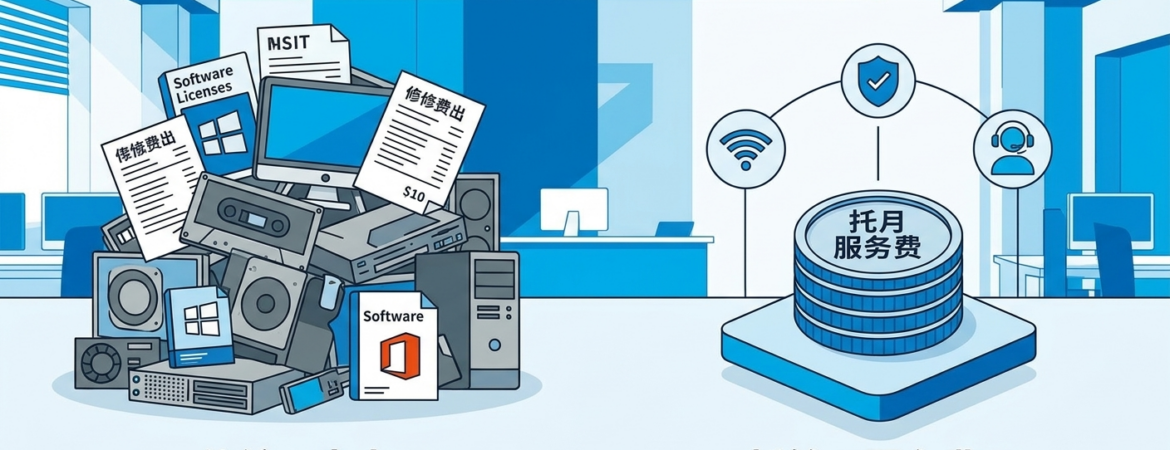
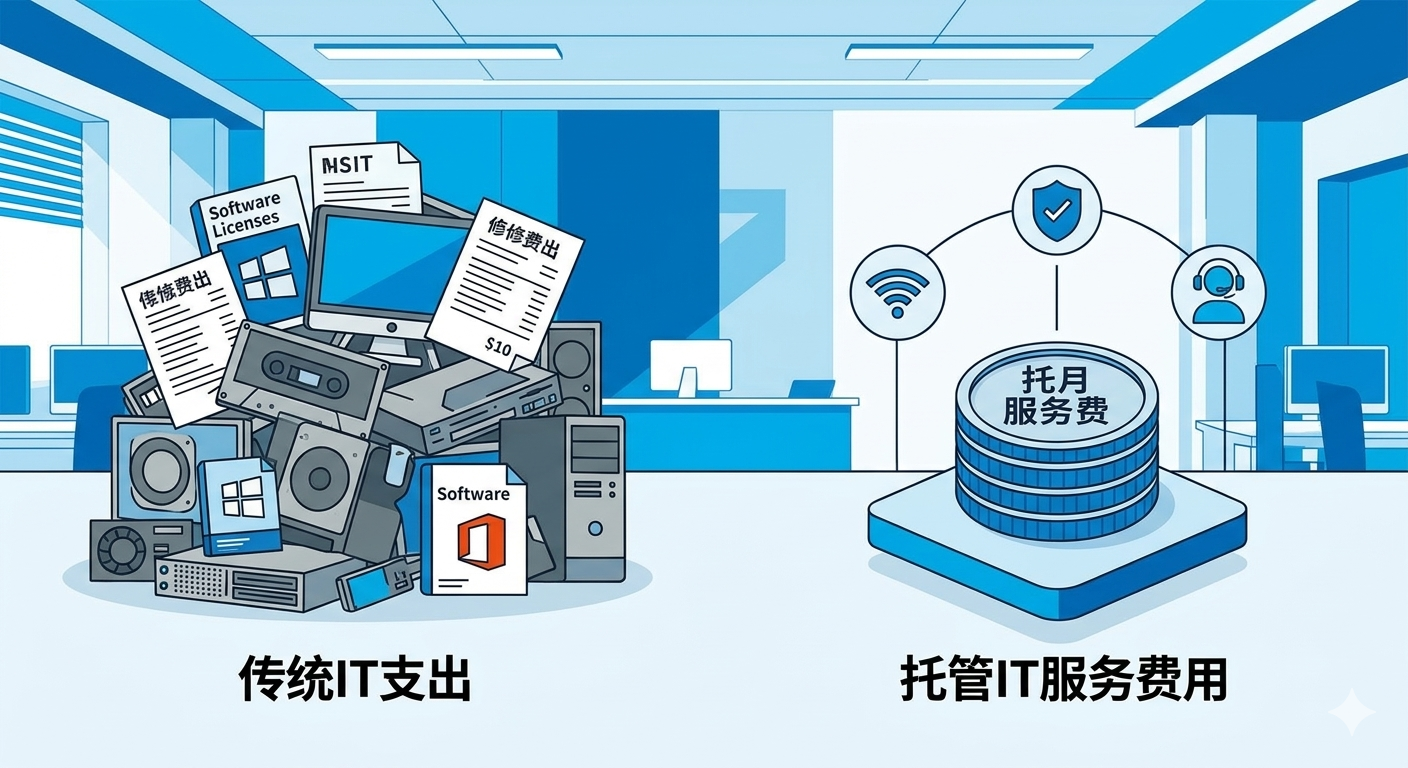
Instead of maintaining a large IT team, businesses pay a predictable monthly service fee that covers a wide range of IT services.
This significantly helps organizations reduce IT costs while still receiving expert technical support.
Reduced Infrastructure Investment
Maintaining on-premise infrastructure often requires significant capital investment. Businesses must purchase servers, networking equipment, storage systems, and security hardware.
Managed service providers often help organizations transition to cloud-based environments or shared infrastructure models.
This reduces the need for expensive hardware purchases and lowers overall infrastructure costs.
Cloud infrastructure also offers scalability, allowing businesses to pay only for the resources they actually use.
Preventing Costly Downtime
System downtime can be extremely expensive for businesses. When IT systems fail, employees may be unable to access critical applications, resulting in lost productivity and revenue.
Managed IT services include proactive monitoring and maintenance that help prevent system failures.
Monitoring tools continuously track system performance and detect potential issues before they escalate into major problems.
By preventing downtime, managed IT services help businesses avoid costly disruptions.
Proactive IT Maintenance Saves Money
Identifying Problems Early
Traditional IT support models often rely on reactive maintenance, meaning problems are addressed only after they occur.
Managed IT services take a proactive approach by monitoring systems continuously.
Early detection of issues such as hardware failures, network congestion, or software vulnerabilities allows IT teams to resolve problems before they cause significant damage.
Preventing major system failures reduces repair costs and protects business productivity.
Automated System Updates
Outdated software and operating systems can create security vulnerabilities and performance issues.
Managed service providers ensure that systems receive regular updates and security patches.
Automated update management helps maintain system stability and prevents security incidents that could lead to costly data breaches.
Optimizing Technology Resources
Efficient Resource Allocation
Many organizations purchase more technology resources than they actually need. This often occurs when businesses attempt to prepare for future growth without proper resource planning.
Managed IT services analyze system usage and optimize resource allocation.
By identifying underutilized systems or redundant infrastructure, service providers help organizations eliminate unnecessary expenses.
Strategic IT Planning
Managed service providers also offer strategic technology consulting.
IT experts evaluate a company’s infrastructure and recommend cost-effective solutions that align with business goals.
This strategic approach ensures that technology investments deliver maximum value while minimizing unnecessary spending.

Strengthening Cybersecurity to Prevent Financial Losses
Reducing the Risk of Cyberattacks
Cybersecurity incidents can result in major financial losses. Data breaches, ransomware attacks, and system compromises can disrupt operations and require costly recovery efforts.
Managed IT services implement comprehensive cybersecurity frameworks that include:
- Firewall management
- Intrusion detection systems
- Security monitoring
- Vulnerability assessments
- Incident response planning
These security measures reduce the risk of cyber incidents and protect organizations from expensive recovery costs.
Protecting Business Data
Data loss can occur due to hardware failures, cyberattacks, or human error, which is why companies should implement a disaster recovery plan for business continuity.
Managed service providers implement backup and disaster recovery solutions that protect critical business information.
Automated backup systems ensure that data can be restored quickly, minimizing operational disruptions.
Protecting data is essential for maintaining business continuity and avoiding financial losses.
Predictable IT Budgeting
Fixed Monthly Service Plans
One of the most significant advantages of managed IT services is predictable pricing.
Instead of dealing with unexpected repair costs or emergency support fees, businesses typically pay a fixed monthly service fee.
This subscription model allows organizations to plan their IT budgets more effectively.
Predictable IT spending helps businesses allocate resources efficiently and avoid financial surprises.
Cost Transparency
Managed service providers provide detailed reports on system performance, resource usage, and service activities.
These reports give businesses clear visibility into how their IT resources are being used.
Better visibility enables organizations to make informed decisions about future technology investments.
Supporting Business Growth Without High IT Costs
Scalable Technology Solutions
As businesses grow, their technology needs evolve. Expanding infrastructure internally can require significant financial investment.
Managed IT services offer scalable solutions that allow businesses to increase or decrease IT resources based on demand.
This flexibility allows companies to support growth without committing to expensive long-term infrastructure investments.
Supporting Remote and Hybrid Work
Modern workplaces increasingly rely on remote and hybrid work environments.
Managed service providers help organizations implement secure remote access solutions and cloud-based collaboration tools.
These technologies improve employee productivity while reducing the need for costly office infrastructure.

Industries That Benefit from Managed IT Services
Small and Medium-Sized Businesses
Small and medium-sized businesses often lack the resources to maintain full-scale IT departments.
Managed IT services provide these organizations with enterprise-level technology support at a fraction of the cost.
Healthcare Organizations
Healthcare providers require secure IT systems to manage patient data and maintain compliance with healthcare regulations.
Managed IT services help healthcare organizations maintain secure and reliable IT infrastructure.
Financial Services
Financial institutions handle highly sensitive information and require strong cybersecurity measures.
Managed service providers implement advanced security solutions that help protect financial data.
E-Commerce Companies
Online retailers rely heavily on IT systems to process transactions, manage inventory, and support customer service.
Managed IT services ensure that e-commerce platforms remain stable and secure.
The Future of Cost-Efficient IT Management
Technology continues to evolve, and businesses must adapt their IT strategies accordingly.
Emerging technologies such as artificial intelligence, automation, and advanced analytics are transforming the managed services industry.
Future innovations in IT management may include:
- AI-driven infrastructure monitoring
- Automated cybersecurity systems
- Predictive maintenance technologies
- Cloud-native infrastructure optimization
These advancements will help businesses further reduce IT costs while improving system performance and reliability.
Conclusion
Technology is essential for modern business success, but managing IT infrastructure can be expensive and complex. Managed IT services provide organizations with an effective solution for maintaining reliable and secure systems while controlling technology expenses.
By outsourcing IT management to experienced professionals, businesses gain access to specialized expertise, proactive system monitoring, and scalable technology solutions. These services help organizations prevent costly downtime, strengthen cybersecurity defenses, and optimize technology investments.
Forward-thinking companies such as SYNEXRA TECHNOLOGY SOLUTIONS CO., LTD. understand that managed IT services play a crucial role in helping businesses reduce IT costs and improve operational efficiency. With the right IT management strategy, organizations can maximize the value of their technology investments while focusing on growth and innovation in an increasingly digital world.